Sustainability
- Targets:
- By 2030, the proportion of sustainable materials in tire products reaches to 40% and 100% by 2050
- 2025 Target Progress:
-
- Current content: 31.04%
- PCR tires: ≥75% sustainable materials
- TBR tires: ≥80% sustainable materials
- Targets:
- By 2030, energy consumption per unit of tire product decreases by 30% compared to 2022
- 2025 Target Progress:
-
- PCR tires: down 17.54% from 2022
- TBR tires: down 19.89% from 2022
- OTR tires: down 30.20% from 2022
- Targets:
- By 2030, carbon emissions per unit of tire product decreases by 30%compared to 2022
- 2025 Target Progress:
-
- PCR tires: down 22.94% from 2022
- TBR tires: down 24.34% from 2022
- OTR tires: down 37.29% from 2022
- Targets:
- By 2030, water consumption per unit of tire product decreases by 15% compared to 2024
- 2025 Target Progress:
-
- down 9.6% from 2024
Upgraded Energy Management System (EMS): Covered 10 operational tire plants
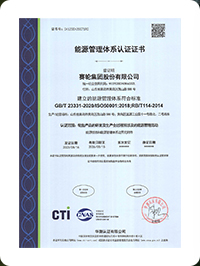
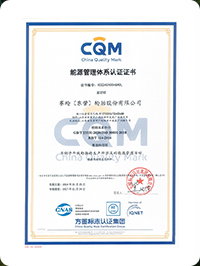
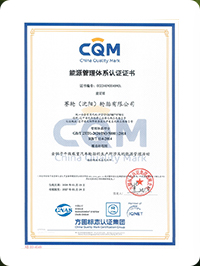
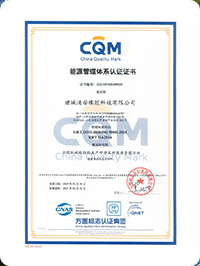
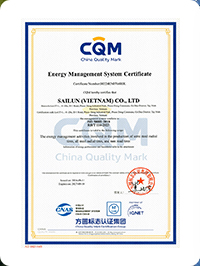
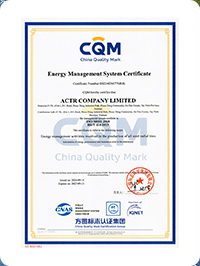
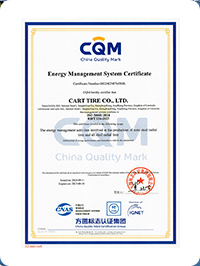
ISO 50001 Energy Management System certification: 100% coverage across 7 factories under continuous operation
2025 Energy-saving Upgrades for Vulcanization:
· Waste heat recovery: 10,626 tons of steam saved, over 3,000 tons of CO2 reduced.
· Insulation upgrade: 49,300 tons of steam saved, about 14,600 tons of CO2 reduced.
In 2025:
Photovoltaic power generation: 44.9 million kWh, about 23,800 tons of CO2 reduced
Biomass fuel: over 8,000 tons, about 12,700 tons of CO2 reduced
Green power certificates: 3.717 million kWh consumed, over 1,970 tons of CO2 reduced
-
-
Qingdao Factory
-
-
Dongying Factory
-
-
Shenyang Factory
-
-
Weifang Factory
-
-
Vietnam Factory
-
-
Vietnam ACTR Factory
-
-
Cambodia Factory
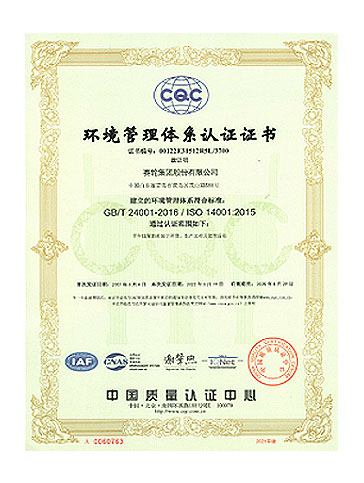
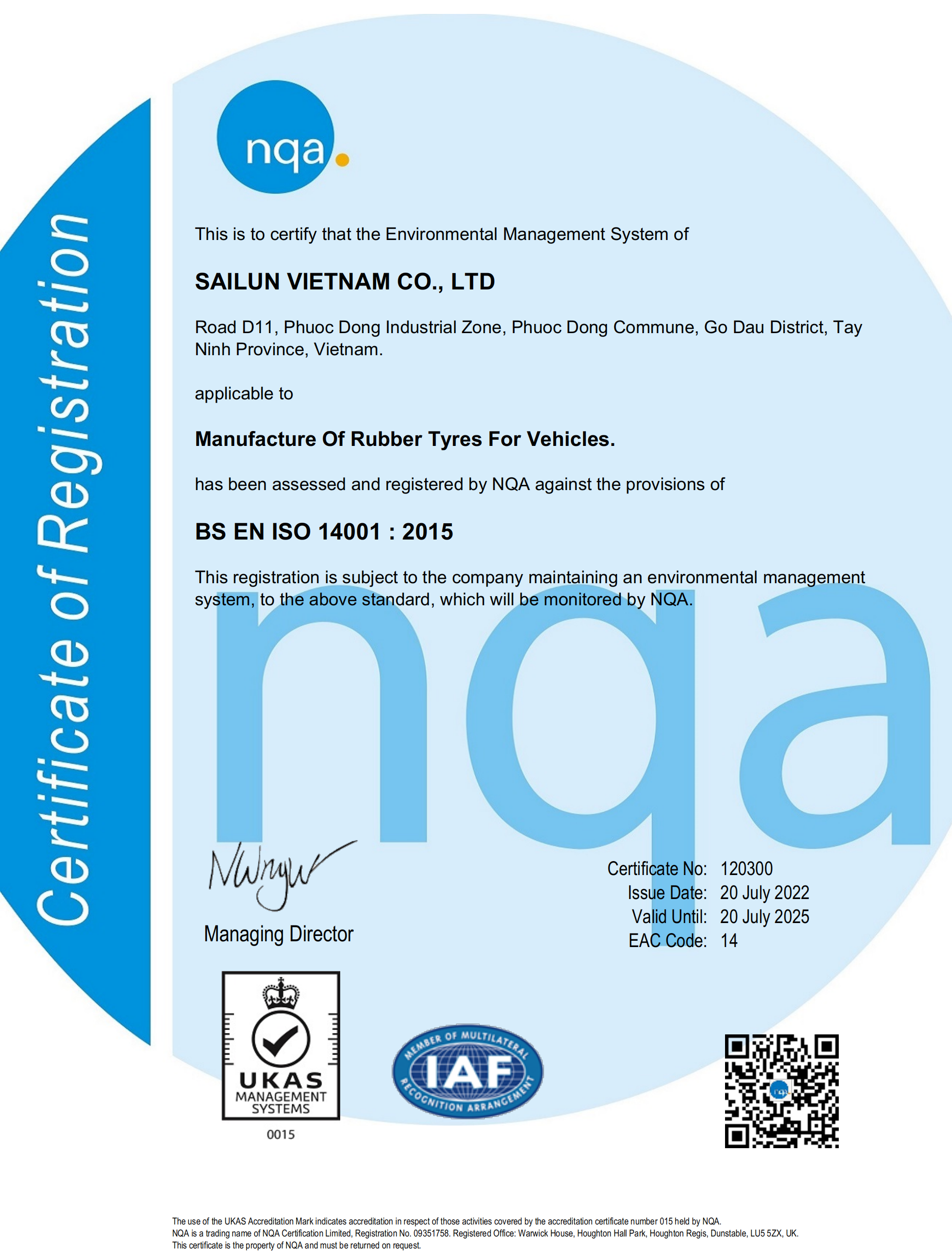
ISO 14001 Environmental Management System certification: 100% coverage across 7 factories under continuous operation
In 2025, environmental investment reached RMB 42.1589 million.
-
 Qingdao Factory
 -
 Dongying Factory
 -
 Shenyang Factory
 -
 Weifang Factory
 -
 Vietnam Factory
 -
 Vietnam ACTR Factory
 -
 Cambodia Factory
Learn more about Sailun's sustainability efforts