
R&D and Innovation
Our Mission is “Make Great Tires”
"Make Great Tires" is Sailun’s solemn commitment to consumers, users, and society. It’s the ultimate embodiment of the highest principles and values that all Sailun people adhere to. Sailun focuses on the development and application of rubber tire technology and services, continuously striving for innovation, conducting research, and maintaining an unwavering commitment to quality. Thus, Sailun provides users and society with superior quality, more environmentally friendly tire products and services, making human mobility safer and freer, while enhancing the efficiency and harmony of societal operations.
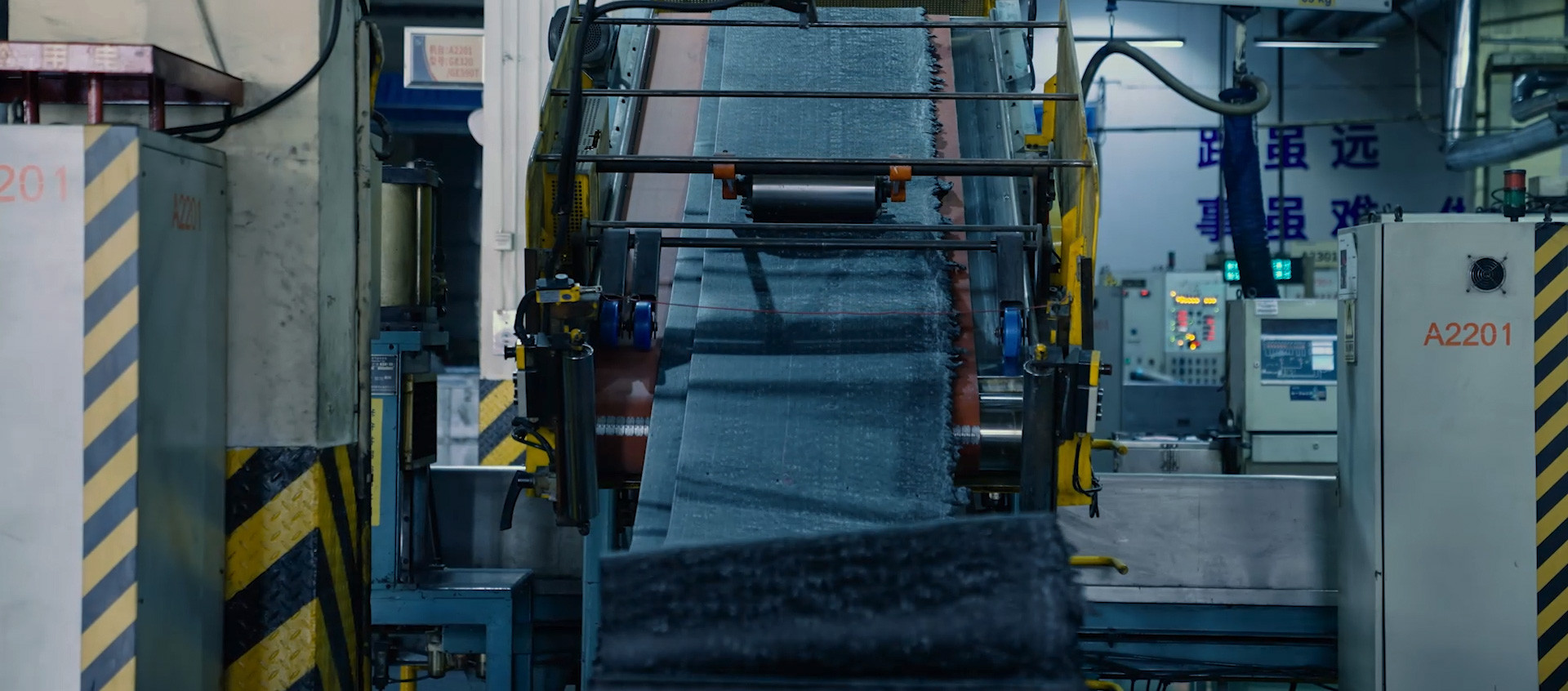
We utilize our self-developed upper auxiliary system for material weighing, mixing process control, and test data analysis. The lower auxiliary system comprises extruders, open mills, and sheet cooling equipment. Through the compound stacking system, which integrates modified rubber table conveyor roller lines, discharge roller beds, automatic splicing devices, and compound marking, we have reduced or eliminated manual intervention and achieved unmanned operations. Additionally, we deploy the AGV-based intelligent logistics system in our workshop for smart transportation of raw materials. Meanwhile, with WMS as the core, we integrate data of MES and AGVS, supported by RFID error-proof management, to enable real-time monitoring of the entire intelligent logistics system.
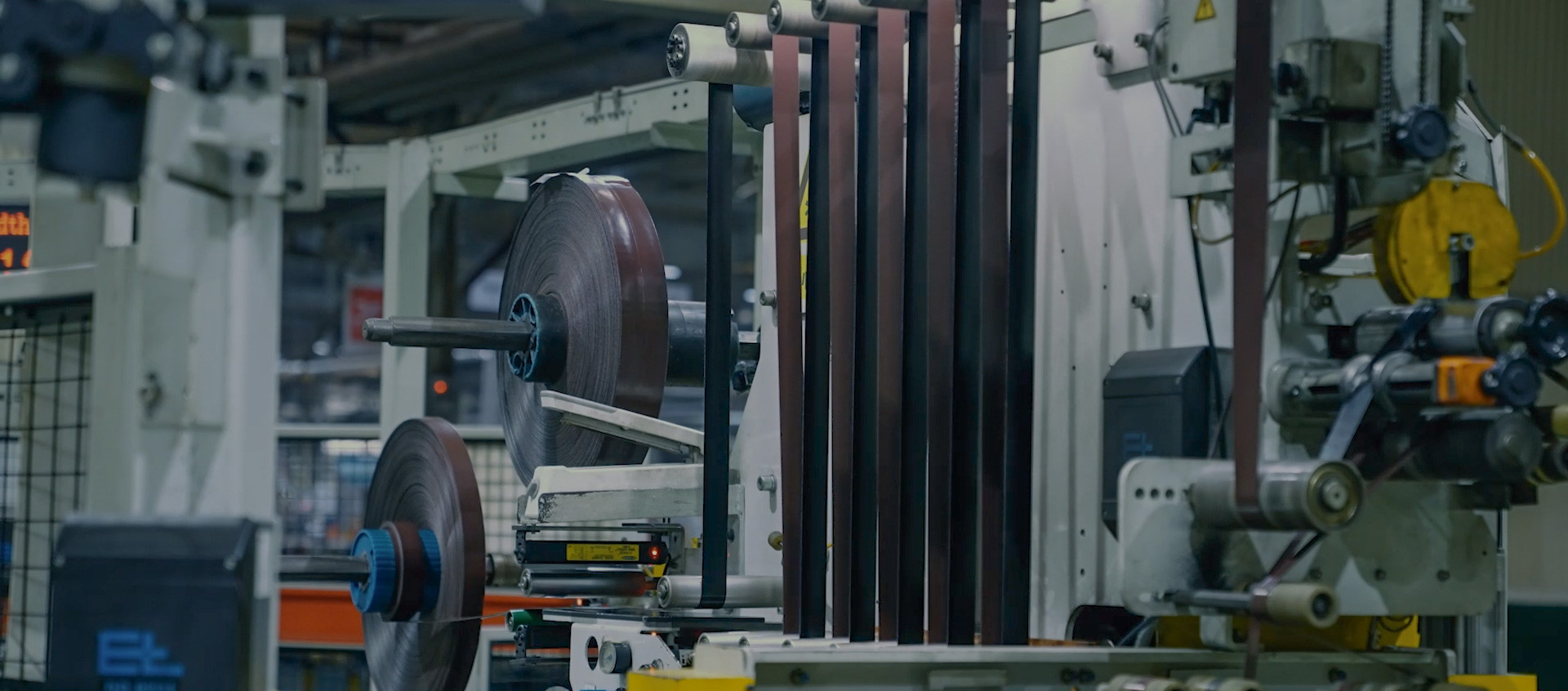
This stage comprises steel calendering, extrusion, cutting, etc. Steel calendering aims to produce fiber cord fabric for both passenger car radial tires and truck & bus radial tires. Extrusion aims to produce tire sidewalls and treads. Cutting involves slicing wide rubber sheets into narrower strips according to technical specifications, which are then applied to the sidewalls, bead filler, belt piles, and carcass plies.
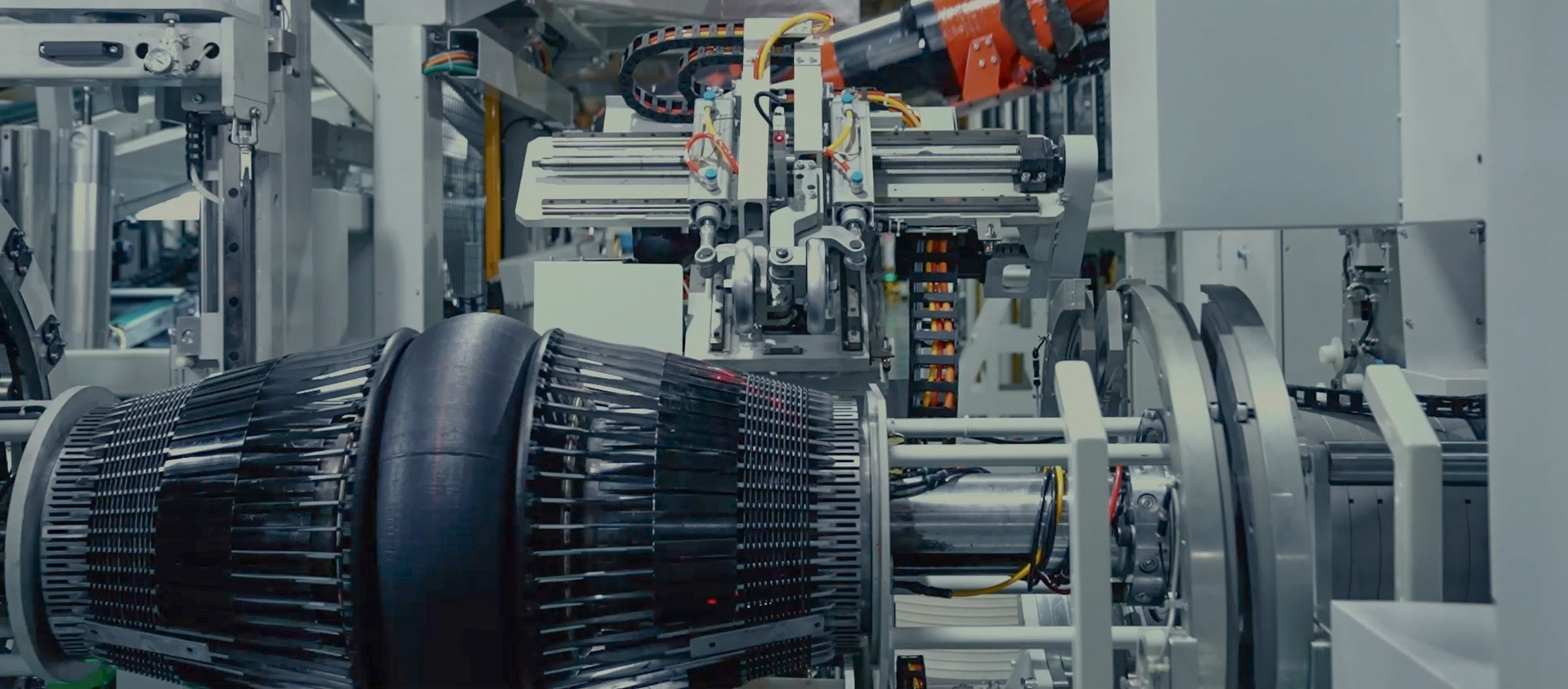
At this stage, a tire building machine is used to assemble various components from the semi-product manufacturing phase into an uncured tire carcass, following strict technical specifications and sequences. The automated logistics system in our tire building workshop features a storage capacity of up to 10,000 uncured tires. The intelligent information-based model we adopt has transformed the previous floor storage into three-dimensional storage with smart scanning, identification, and sorting for inbound and outbound operations, which has saved space, reduced labor requirements, and improved operational efficiency.
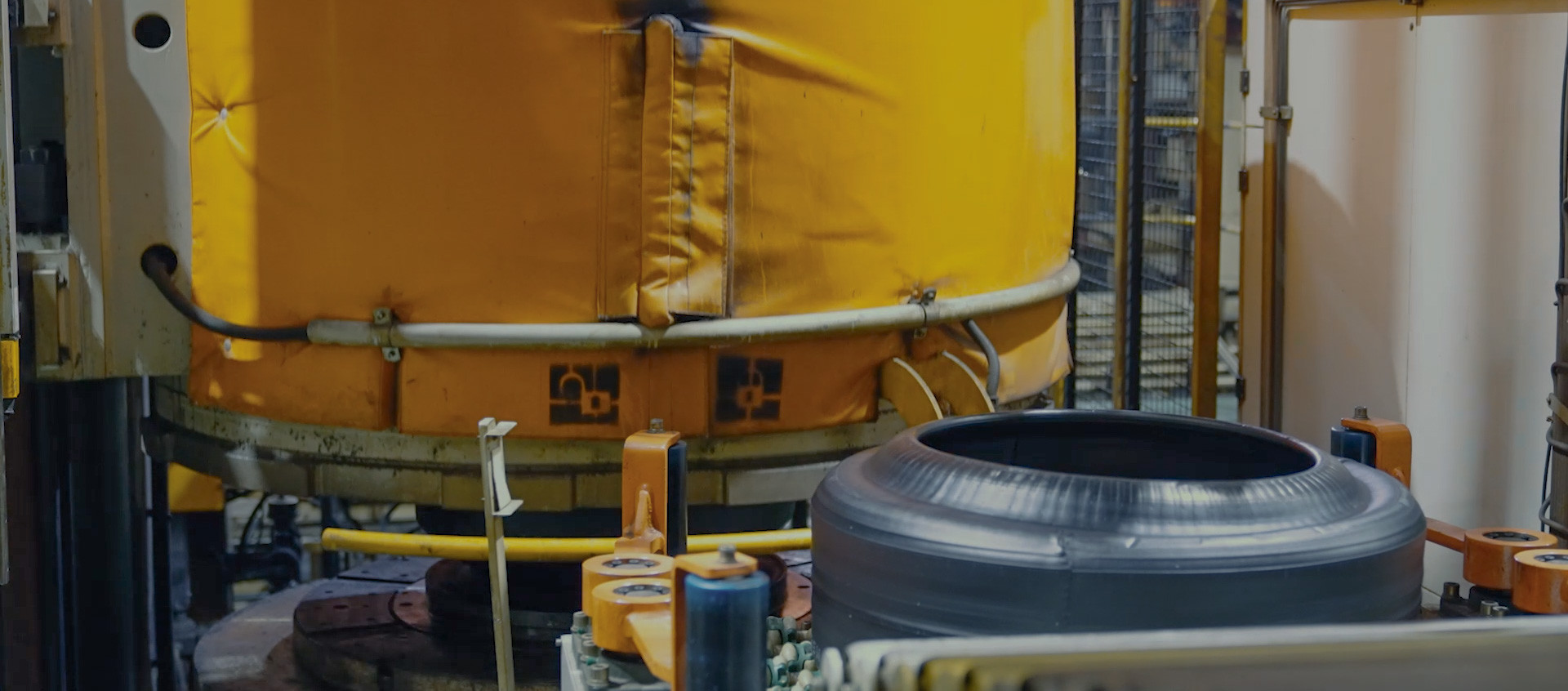
At this stage, the uncured tire carcass from the previous phase is placed into a vulcanization press and undergoes transformation within the mold cavity under precisely controlled temperature, pressure, and time conditions. The transformation from an uncured tire carcass into a finished tire is colloquially known as "steaming bun", which takes 10–15 minutes on average. Through equipment automation, intelligent process control, and automatic anomaly alerts and lockouts, we have successfully implemented an automated loading system for vulcanization presses.
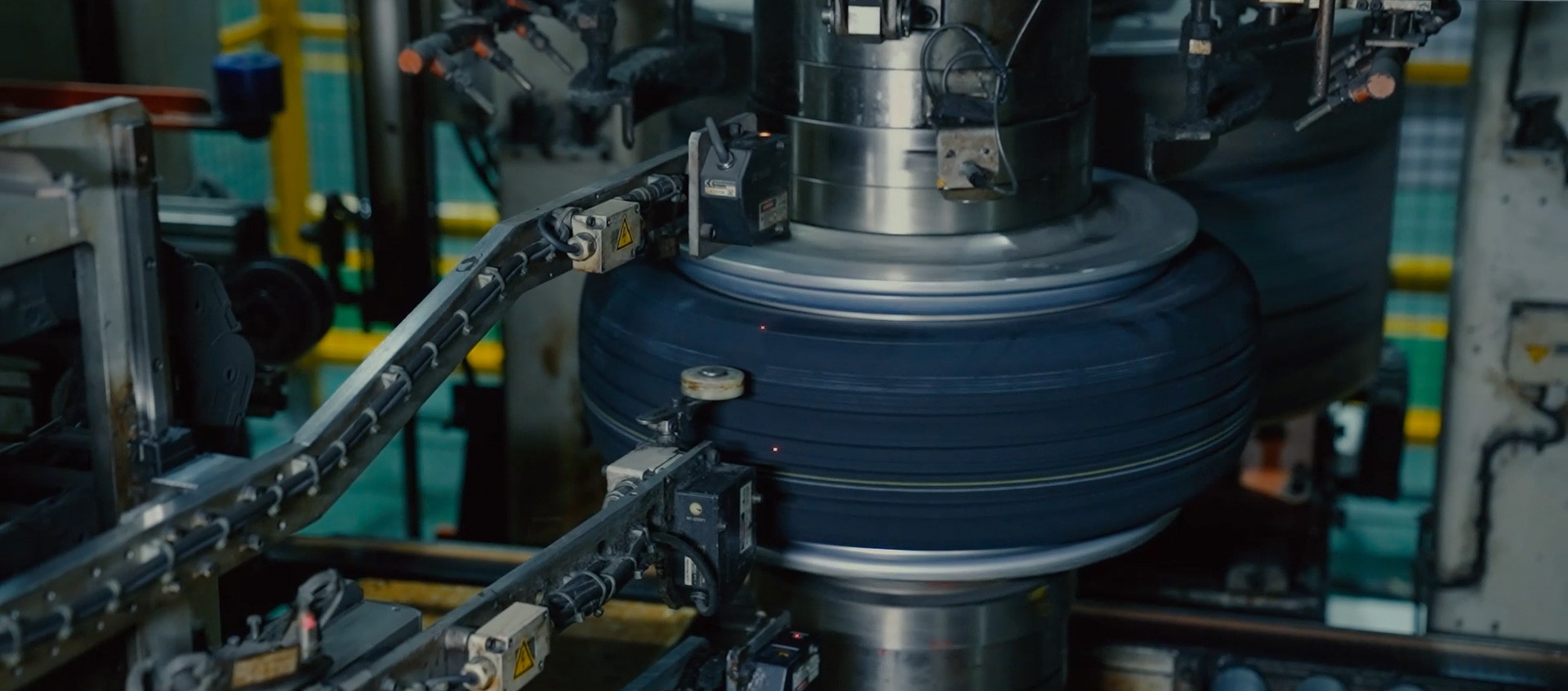
This phase begins with the initial quality validation of the first-off product prior to mass production and culminates in the comprehensive inspection and grading of every finished tire. It ensures that every tire delivered to customers meets stringent quality standards. Finished tire inspection primarily involves visual inspection and machine-based inspection. Visual inspection is carried out by senior employees with substantial experience of at least 5 years in inspection. Tires that pass the visual inspection are allocated via an automated sorting and transport line to 15 corresponding testing stations, including dynamic balance testers, uniformity machines, X-ray machines, and bubble detectors.
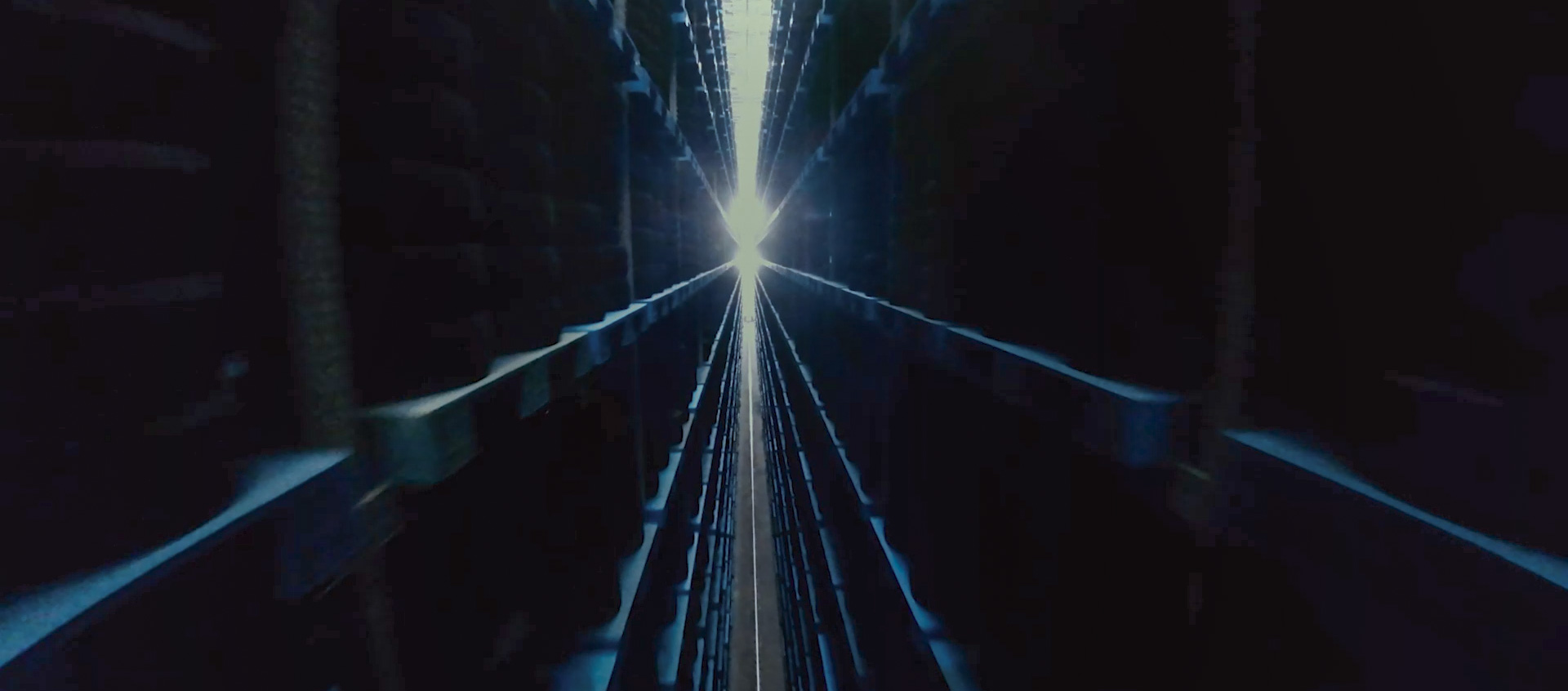
Approved tires are automatically transported via an elevated corridor to an intelligent, three-dimensional warehouse 800 meters away, where they undergo automated sorting and storage. The entire process is touch-free, which significantly reduces variability inherent in manual sorting and vehicle transport.